Most recent first.
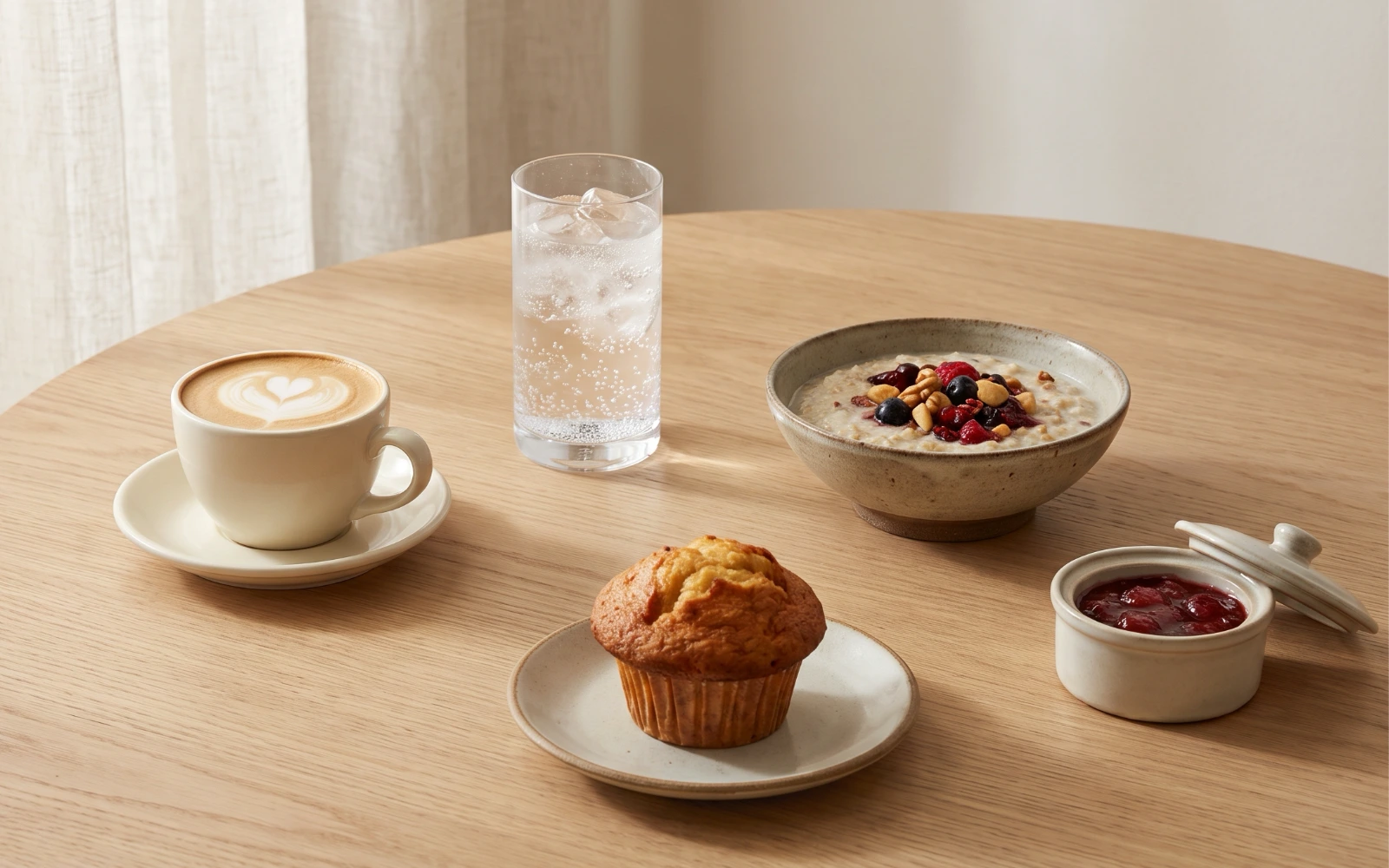
What to Stir DULCI Into
Hot, cold, carbonated, baked or stirred into a sauce: DULCI dissolves into most things you already make. Here's the range of ways to use it.
Fibre Is the New Protein
Protein got a decade of marketing attention despite most people already getting enough. Fibre has the opposite problem: a real, well-documented gap and far less attention.
Fibremaxxing: What the Trend Gets Right, and Where It Goes Too Far
Fibremaxxing is right that most people fall short on fibre. It's wrong that more is automatically better. Here's where the trend holds up, and where it doesn't.
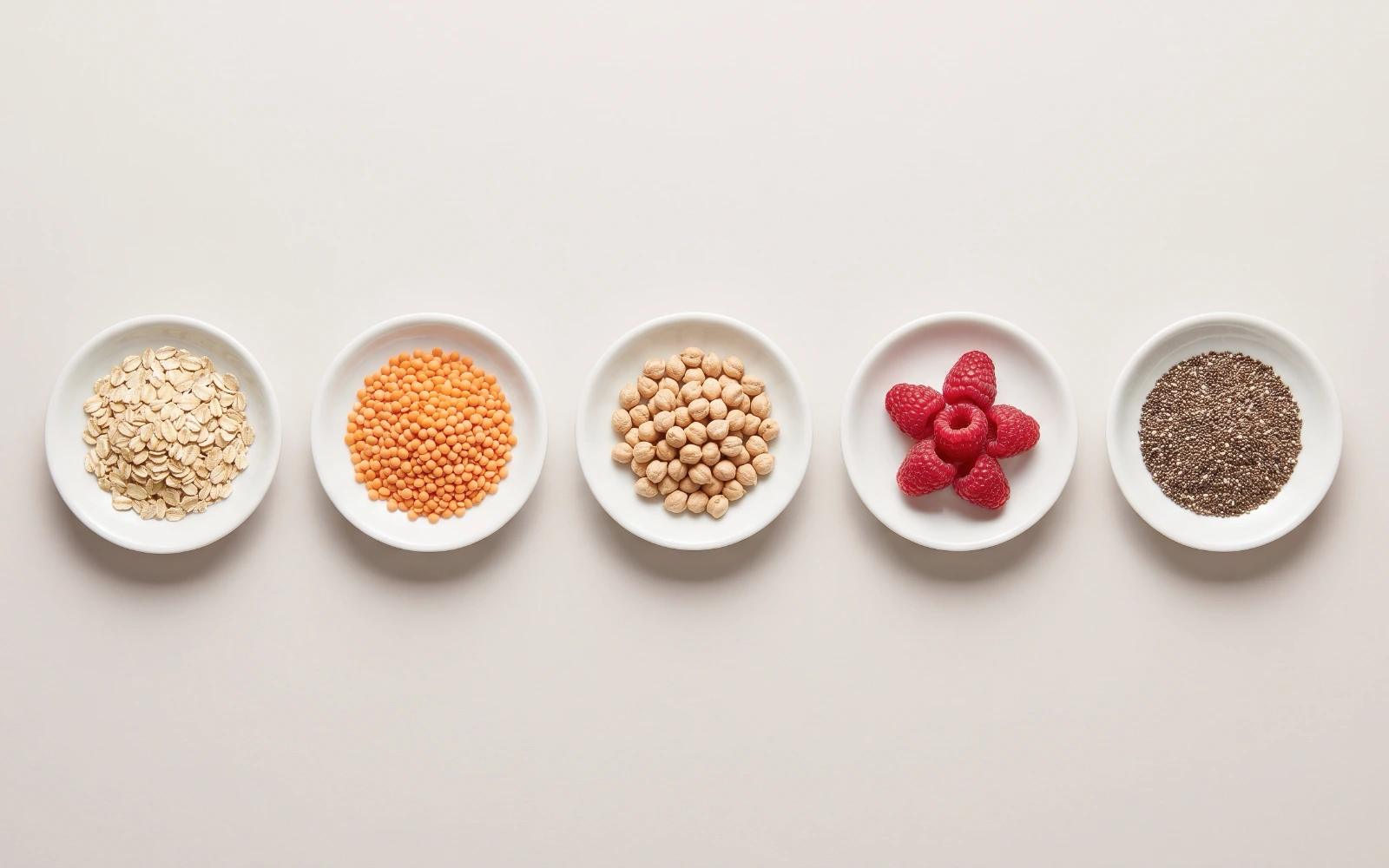
How to Get 30g of Fibre a Day Without Rebuilding Your Diet
You don't need a meal plan to close the fibre gap. A handful of small, specific swaps can add several grams a day without changing what you eat.
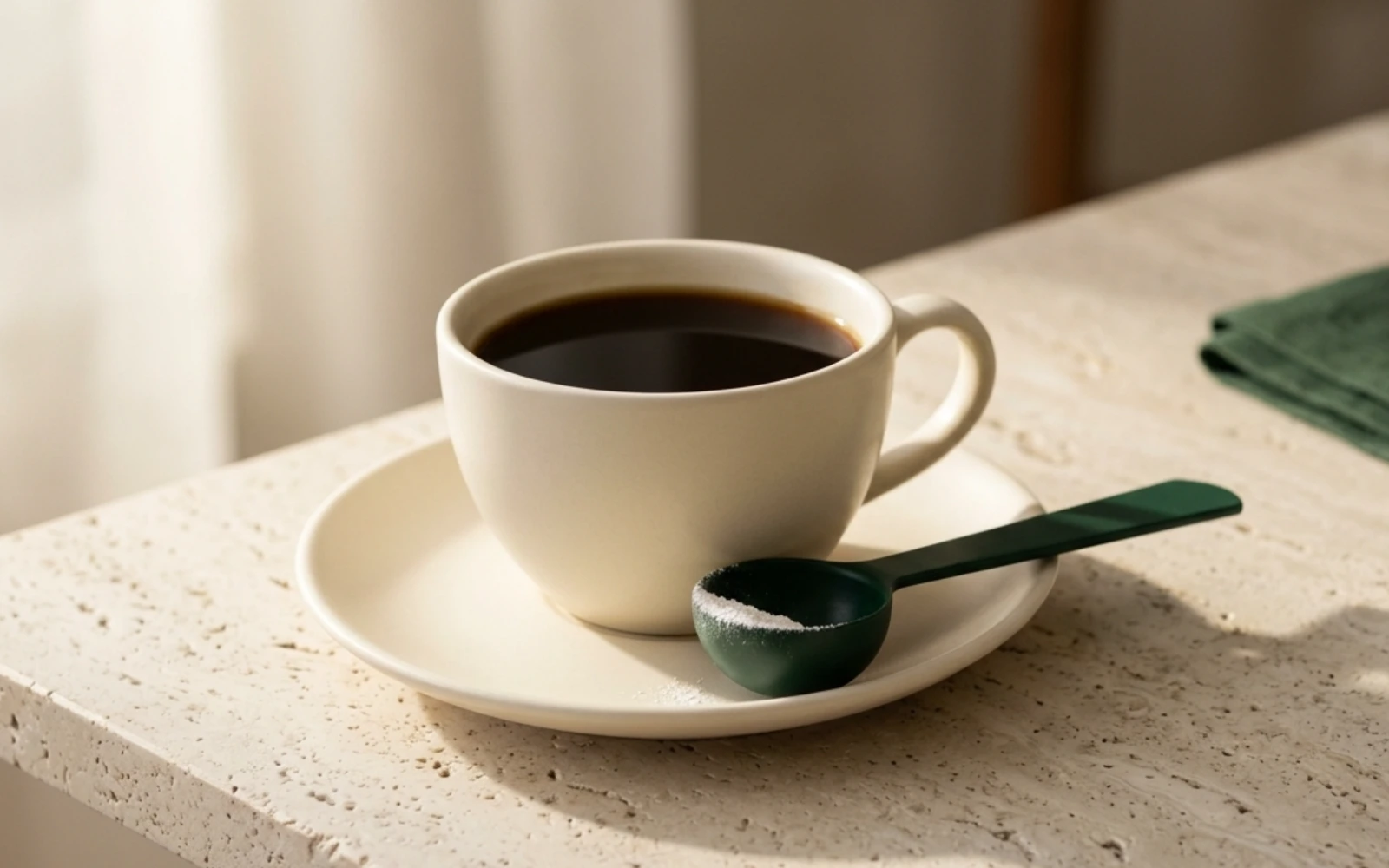
Can You Put Fibre Powder in Coffee?
Yes, but the fibre type decides the result. Some dissolve clear, one turns to gel. What heat and coffee's acidity do to each, from the research.
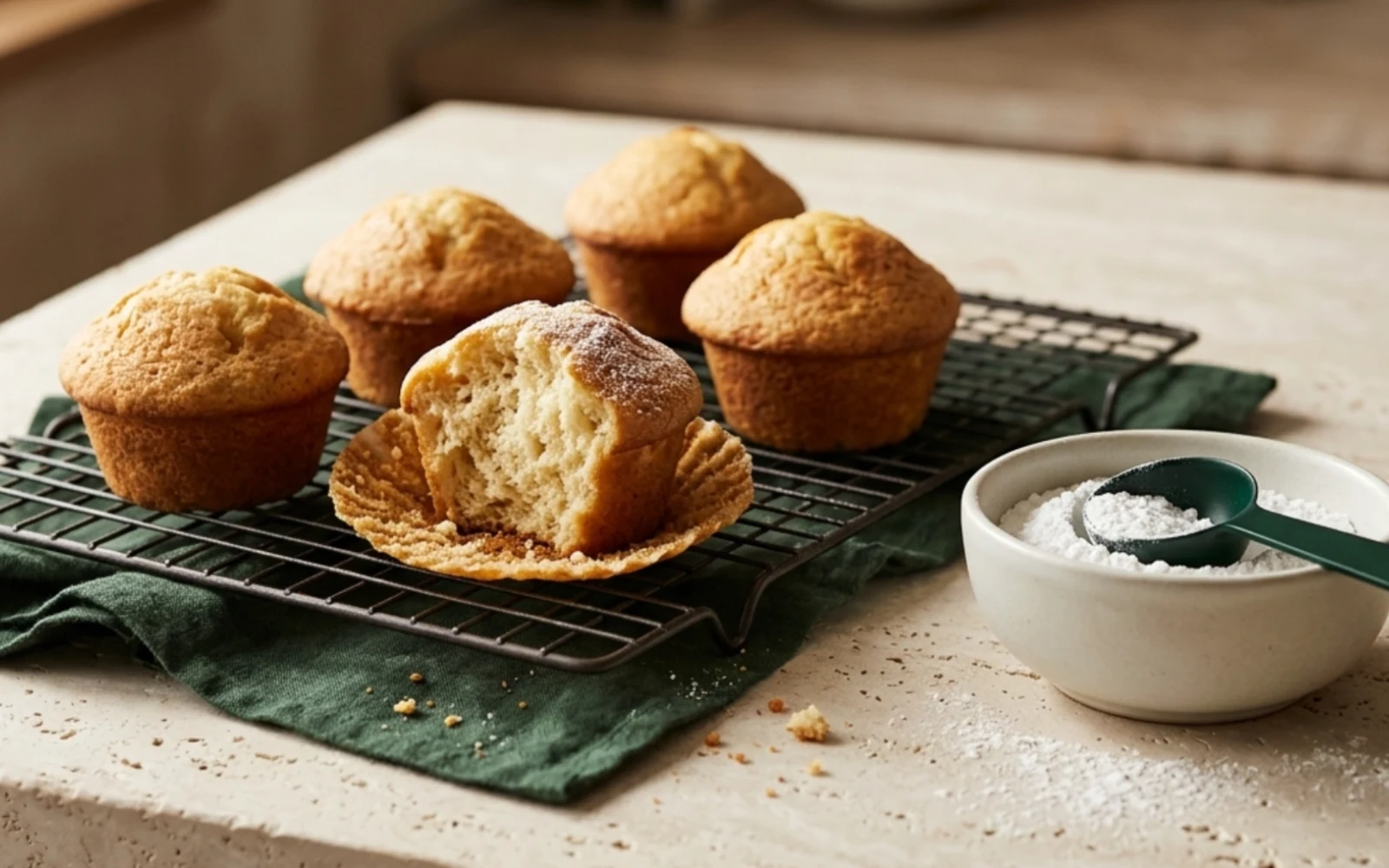
Can You Bake With Fibre Powder?
Yes, with two things to know. Some fibres handle oven heat better than others, and none does everything sugar does. What changes, and how to add it.
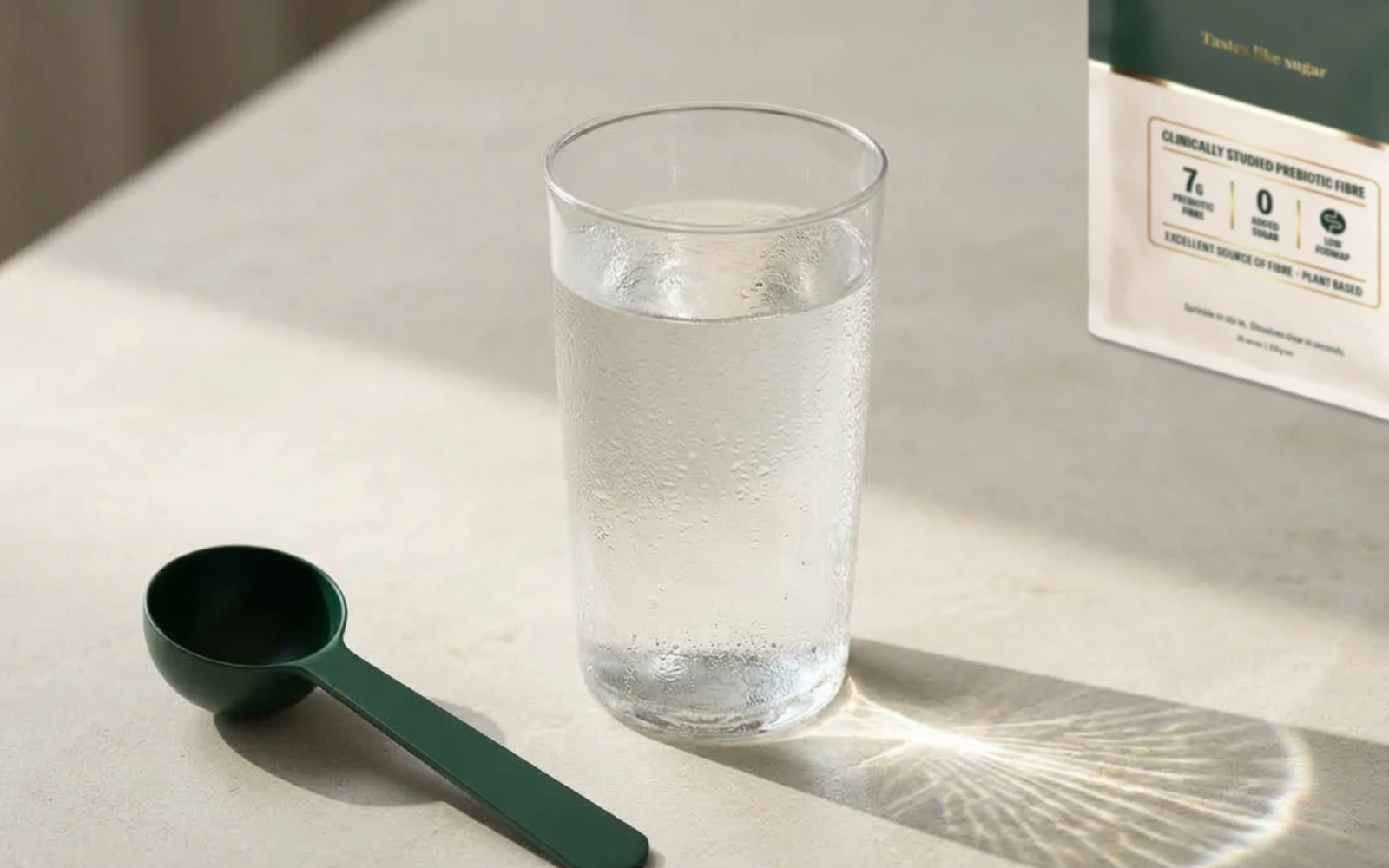
Does Fibre Powder Dissolve in Cold Water?
Some fibre powders dissolve clear in cold water, some dissolve slowly, and psyllium never dissolves at all. Here is why, and how to mix each one.
Why Does Bread Make Me Bloated? (It's Not Always Gluten)
Most people blame gluten for bread-related bloating. The research says FODMAPs and gut dysbiosis are more often the real cause.

The Invisible Gut Health Supplement
Most gut health supplements ask you to build a new habit. The one that works fits into the habit you already have. Here's the behavioural research on why that matters.

Why Your Morning Routine Is the Best Time to Support Your Gut
The gut microbiome is most metabolically active in the hours after waking. Here's the circadian research on why morning, not evening, is the better time for prebiotic fibre.
Why Am I Always Tired No Matter How Much I Sleep?
You slept eight hours and still woke up exhausted. The gut produces most of the body's serotonin, the precursor to melatonin. Here's what the research says about sleep quality and gut health.
Signs Your Child's Gut Health Needs Attention
Eczema, recurring illness, mood swings, poor sleep. Many parents don't know these can all connect back to the gut microbiome.
Why Your Skin Ages Faster When Your Gut Is Out of Balance
Collagen doesn't just degrade with time. It degrades with inflammation. And gut dysbiosis is one of the primary drivers of the chronic inflammation that accelerates skin ageing.

The Gut-Brain Connection: Why Your Digestion Affects Your Mood
90% of serotonin is made in the gut. If you feel anxious, low, or foggy and can't explain it, here's what the research says.
Why Can't I Lose Weight? Your Gut Might Be the Answer
If diet and exercise aren't shifting the weight, gut microbiome research may explain why. Here's what the science says about energy extraction, satiety signalling, and the bacteria behind both.
Why You Keep Getting Sick: The Gut Connection Nobody Tells You About
70-80% of immune cells live in the gut. If you keep getting sick or take longer to recover, your microbiome is worth examining.
Is It IBS, or Is It Something Your Gut Is Missing?
1 in 5 Australians have IBS symptoms. Most manage them for years without addressing the gut microbiome. Here's what the research shows about the link.
Why Do I Feel Bloated Even When I Eat Healthy?
Half of all Australians experience bloating, gas or constipation. If you eat well and still feel bloated, the problem probably isn't your food. Here's what's actually going on.
Signs Your Gut Health Is Poor (And What's Actually Causing It)
Bloating and constipation are the obvious signs. But poor gut health also shows up as bad sleep, low mood, skin flare-ups, and constant fatigue. Here's what to look for.

How Your Gut Health Affects Your Hormones
PMS, cycles, and perimenopause are usually blamed on oestrogen and age alone. Here's what the research says about the gut bacteria that regulate hormone levels too.
Is Your Acne a Gut Problem? Here's What the Research Actually Says
Acne affects 1 in 5 adults. Most treat it topically for years. Multiple peer-reviewed studies now show causal links between gut bacteria and acne. Here's the science.
Why Your Morning Coffee Might Be Hurting Your Digestion
Coffee is complicated. It can improve your gut microbiome or aggravate your digestion, sometimes both at once. Here's what the research actually says about coffee and your gut.
Why Your Skin Might Be a Gut Problem in Disguise
Acne, eczema, rosacea, and psoriasis are usually treated as skin problems. Peer-reviewed research now shows they often start somewhere else entirely.
The Fibre Gap: How Far Most Australians Fall Short
83% of Australian adults don't meet NHMRC's Suggested Dietary Target for fibre, and fewer than 3 in 10 meet the Adequate Intake. Here's what the gap looks like, and why it's so widespread.
Can Your Gut Health Affect Your Hair Loss?
Hair loss is usually blamed on genetics and hormones. New Mendelian randomization research shows specific gut bacteria have causal links to both alopecia areata and pattern hair loss.
Can Stress Destroy Your Gut Health?
Stress and gut health are connected in both directions. Chronic stress damages your gut bacteria. A disrupted gut amplifies stress. Here's how the cycle works and how to break it.
Why Your Gut Might Be the Reason You're Tired, Bloated, and Running on Empty
Nearly 1 in 7 people experience bloating every week. Most never connect it to their energy, their mood, or their gut. Here's what the science actually says.
Prebiotic vs Probiotic: What's the Difference and Which Do You Actually Need?
Probiotics are live bacteria. Prebiotics are what feeds them. Most people take probiotics without understanding the difference. Here's the definitive explanation.
What Artificial Sweeteners Actually Do to Your Gut
The WHO advises against non-sugar sweeteners for weight control. Here's what current research shows about aspartame, sucralose and saccharin's effects on gut bacteria.
Can You Get Enough Prebiotic Fibre From Food Alone?
The best prebiotic foods are garlic, onions, leeks, and asparagus. Technically you can get enough from food. Here's why most people consistently don't, and what that costs them.