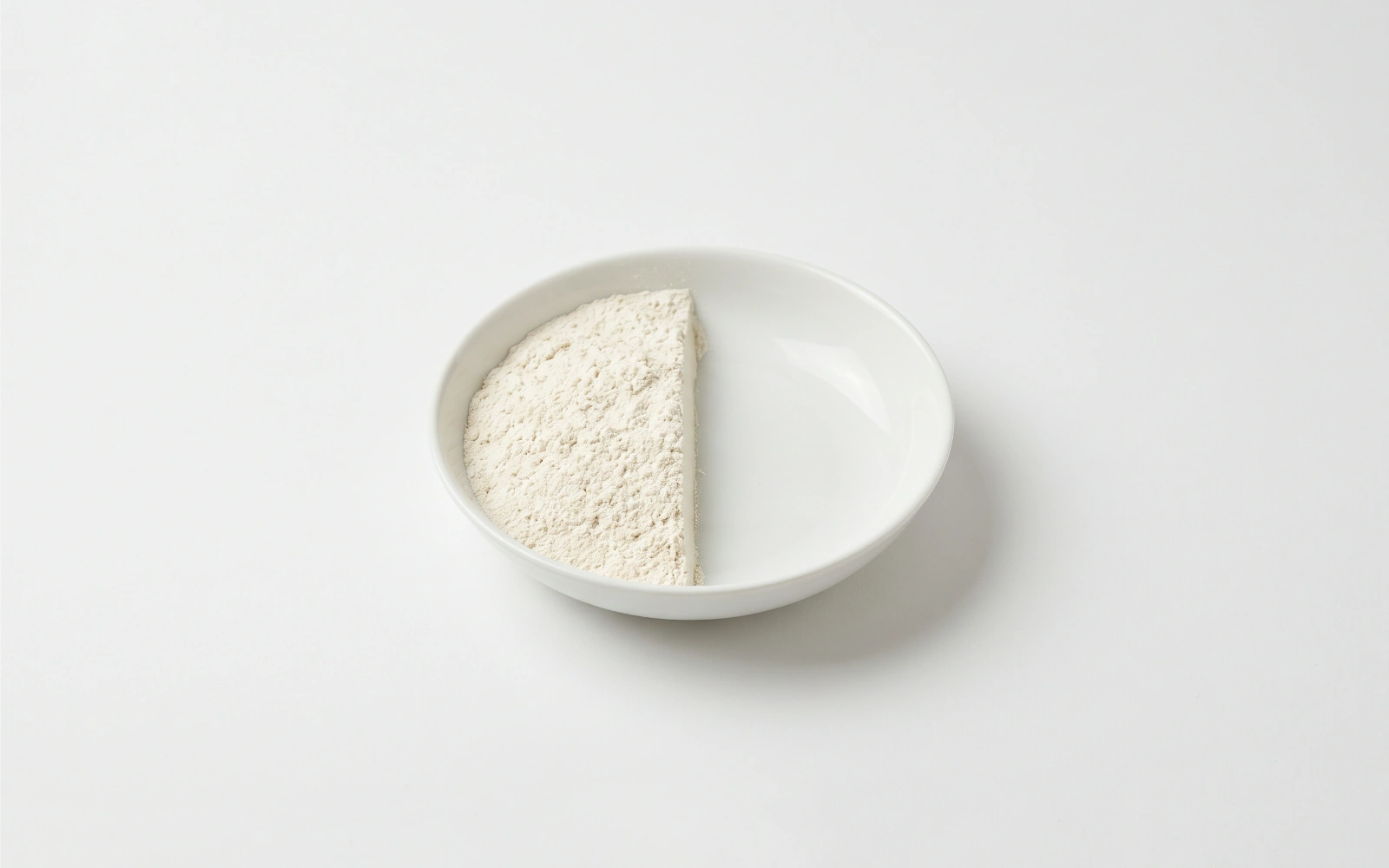
What the Gap Actually Looks Like
NHMRC sets two separate benchmarks for dietary fibre, and the two are often collapsed into one another. The Adequate Intake (AI), the amount associated with normal gut function, is 30g a day for men and 25g a day for women. The Suggested Dietary Target (SDT) is higher: 38g a day for men and 28g a day for women, the benchmark NHMRC associates with reducing risk of diet-related disease.
A peer-reviewed analysis of the 2011-12 National Nutrition and Physical Activity Survey, covering 12,153 Australians aged 2 and over, found that adults had a median fibre intake of 20.7g a day. Only 28.2% of adults met the Adequate Intake (27.9% of women, 28.5% of men). Fewer still, 17.0%, met the Suggested Dietary Target (19.9% of women, 14.0% of men). Most Australian adults fall short of even the lower benchmark, and the gap to the higher one is wider again.
The ABS released updated food and nutrient data for 2023 in September 2025, but it reports fibre only as a share of energy intake, not as grams against the NHMRC benchmarks, and the companion "usual nutrient intakes" release doesn't cover fibre either. The 2011-12 survey, analysed above, remains the most recent published breakdown of how many Australians actually meet the fibre targets.
The gut bacteria that protect your health do not store food. They need to be fed every single day.
It's Not Just About Quantity. It's About Type.
Fibre also isn't one uniform substance, and the split that matters most is between soluble and insoluble fibre. In insoluble fibre, the sugar chains are bound together by dense hydrogen bonds into a crystalline structure that resists breakdown. It adds bulk and helps move material through the gut, but gut bacteria use it slowly, if at all. Soluble fibre dissolves and is readily fermented by gut bacteria, which is what actually feeds them.
Per NHMRC's Nutrient Reference Values, bread and cereal foods are the single largest source of dietary fibre in the Australian diet, contributing around 45% of total intake, against roughly 30% from vegetables and 10% from fruit. Much of that cereal-derived fibre is insoluble. That matters, because eating plenty of insoluble fibre does not substitute for soluble, fermentable fibre. The two serve different functions, and a diet can look fibre-adequate by total grams while still under-feeding the bacteria that depend on the fermentable kind.
Eating enough fibre is necessary but not sufficient. The type matters as much as the amount. Most Australians are short on both.
The Simplest Way to Close the Gap Every Day
The challenge with fibre is compliance. Eating 30 grams per day consistently requires deliberate, sustained dietary effort. Most people manage it some days and miss it on others. The bacteria that depend on it don't average things out across the week. They need consistent daily fuel.
This is the gap DULCI is designed to fill. 7g of clinically studied prebiotic fibre per scoop, an excellent source of fibre by the regulated standard. One scoop: 7g of fibre. Dissolves in hot or cold liquid.
The fibre gap is not a niche nutritional concern. It is one of the most widespread dietary shortfalls in Australia, and it tends to stay invisible, because unlike a single missing nutrient, there's no one obvious sign that points back to it.
The bacteria don't announce when they're running low.