What Prebiotic Fibre Actually Is
Not all fibre is prebiotic fibre. This distinction matters and is frequently overlooked. Prebiotic fibre is the specific subset of dietary fibre that is selectively fermented by beneficial gut bacteria, producing short-chain fatty acids as a result. Insoluble fibre adds bulk and aids transit time. That is useful, but it is not the same thing. Your gut bacteria need fermentable fibre, not just any fibre.
A PMC review of prebiotic food sources confirmed that estimated prebiotic consumption in Western diets is several grams a day from naturally occurring sources such as inulin and fructooligosaccharides. The operative phrase is "several grams." The ISAPP target is around 5 grams per day for meaningful gut microbiome benefit. The gap between what most people consume and what is actually needed is narrow in theory. In practice, it is consistently missed.
Total fibre and prebiotic fibre are not the same thing. A diet high in one can still be critically low in the other.
The Best Food Sources (and What It Takes to Reach the Target)
Research presented at the American Society for Nutrition identified the foods with the greatest prebiotic density: dandelion greens, Jerusalem artichoke, garlic, leeks, and onions, ranging from 100 to 240 milligrams of prebiotics per gram of food. These are genuinely rich sources. The same research found that half a small raw onion (around 60 grams) delivers approximately 5 grams of prebiotics.
Colorado State University, citing ISAPP guidance, gives practical equivalents: 5 grams equals approximately 3 garlic cloves, or a quarter pound of asparagus, or three-quarters of a cup of Jerusalem artichoke. These are achievable portions. They are also portions that require daily intentional inclusion in meals, which is precisely where the compliance problem lives.
Why Most People Consistently Fall Short
Three practical problems undermine food-first prebiotic intake for most people.
Raw onion and garlic contain significantly more prebiotic fibre than cooked versions. Cooking breaks down inulin and fructooligosaccharides. Most people do not eat raw garlic or onion daily. The foods that contain the highest prebiotic density are rarely eaten in their most prebiotic-rich form.
Reaching 5 grams of prebiotic fibre daily from food requires including multiple prebiotic-dense foods consistently across meals. Under time pressure, stress, or travel, diets narrow. Asparagus, leeks, Jerusalem artichoke: these are not everyday foods for most Australians. The variety required to reach the target is the first casualty of a busy week.
Total dietary fibre appears on nutrition panels. Prebiotic fibre does not. There is no reliable way to track specific prebiotic intake from food labels, which means most people have no idea how far short they are. You can feel confident you are eating well and still be consistently below the threshold your gut bacteria need.
The question is not whether food sources of prebiotic fibre exist. They do. The question is whether you are eating them raw, in adequate amounts, every single day, regardless of what else is happening in your life.
Where Supplementation Makes Sense
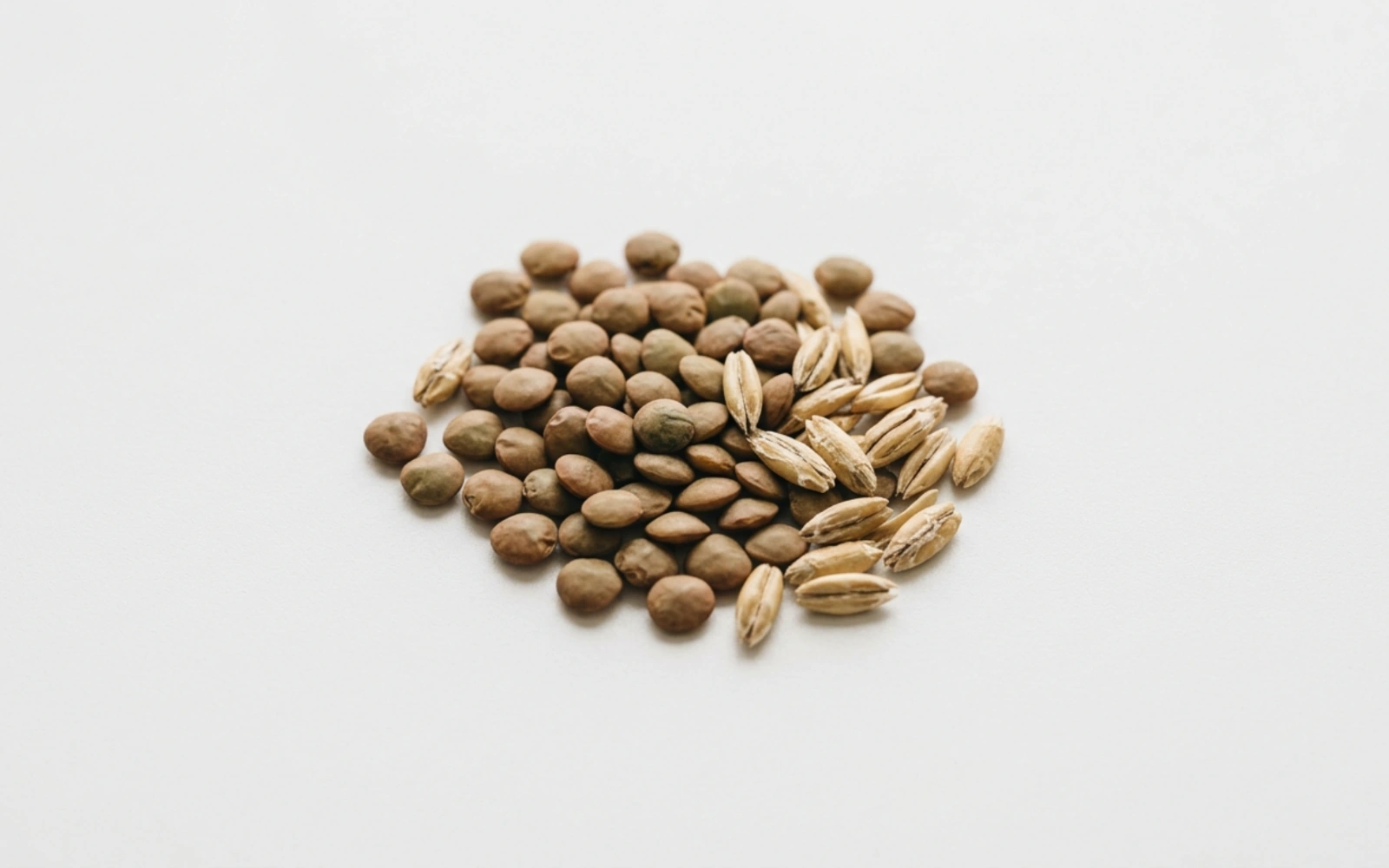
The foundation should always be food. A diet rich in garlic, onions, leeks, asparagus, legumes, and whole grains provides a range of prebiotic fibre types that also come with vitamins, minerals, and polyphenols. No supplement replaces that breadth.
What supplementation addresses is the consistency gap. The days when the diet narrows. The mornings when there is no time to cook. The weeks when variety drops and the prebiotic target goes unmet. A daily prebiotic supplement does not replace dietary diversity. It ensures the floor never drops below what the gut bacteria need to function.
DULCI provides 7g of clinically studied prebiotic fibre per scoop, an excellent source of fibre by the regulated standard, through a format that requires no additional meal planning. It dissolves in hot or cold liquid, delivering a consistent daily contribution to the prebiotic target. Combined with a diet that already includes prebiotic-rich foods, it closes the gap that most people carry without knowing it.
Can you get enough prebiotic fibre from food? Yes. If you eat the right foods, mostly raw, in adequate portions, every day, without exception.
Most people cannot maintain that standard consistently. Their gut bacteria notice.